
Surgeon · Master's Degree in Aesthetic Medicine · Imperial College London Fellowship
Medicina Estetica Rigenerativa · 8 min read
Skin is a complex ecosystem that needs constant nourishment to maintain its beauty and function. Biorevitalisation with vitamins is one of the most innovative and effective ways to nourish the skin from within, combining the hydrating action of hyaluronic acid with the regenerative power of vitamin complexes. A genuine “beauty cocktail” that gives the skin radiance, elasticity and vitality.
What is biorevitalisation with vitamins, and how does it work?
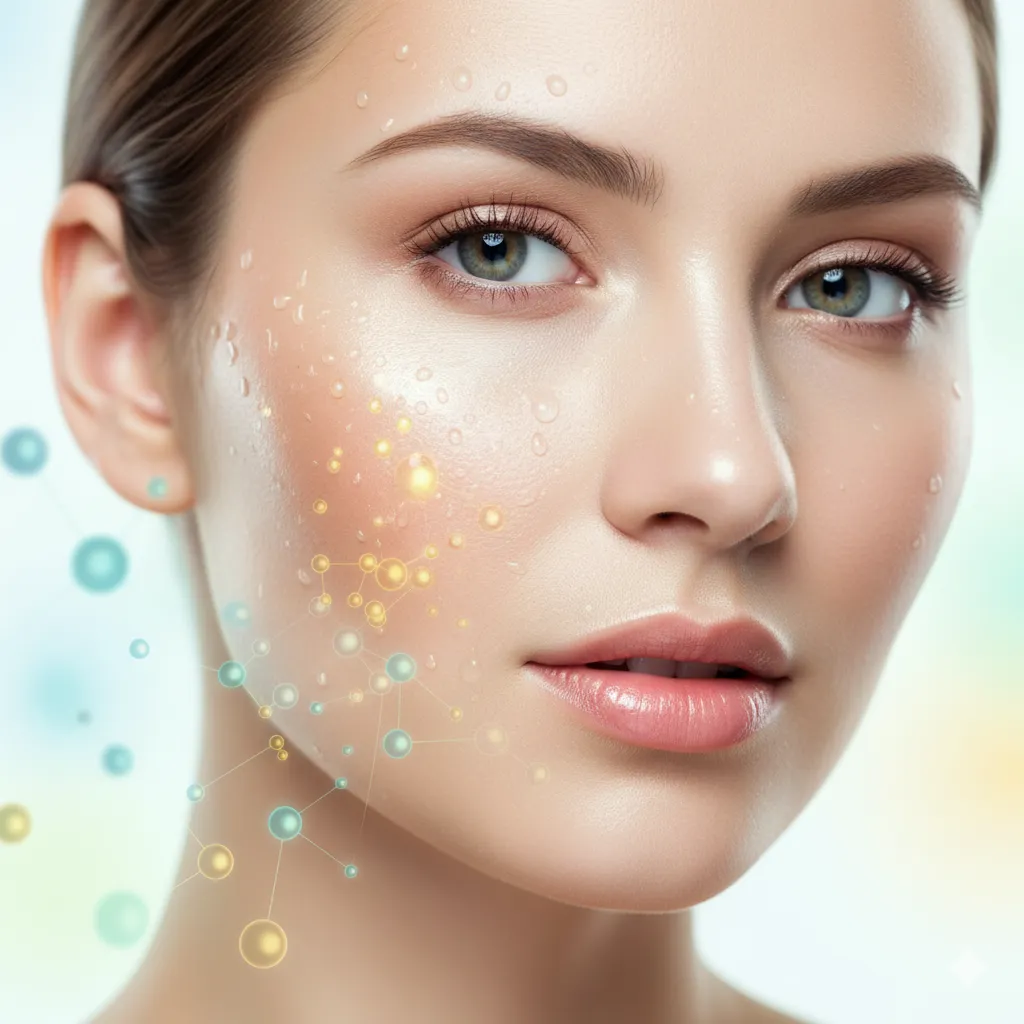
Biorevitalisation with vitamins is a regenerative aesthetic medicine treatment involving intradermal infiltration of a personalised cocktail containing non-cross-linked hyaluronic acid, vitamins, minerals, amino acids and antioxidants. This synergistic combination stimulates cellular metabolic processes, improving skin quality at every level.
Unlike fillers, which add volume, biorevitalisation acts as a biological “booster” that reactivates cell function, stimulates collagen and elastin production and protects against oxidative damage. The result is younger, hydrated, radiant skin, with visible improvements in texture and tone.
The vitamins at the heart of the treatment
Vitamin A (retinol): stimulates cell turnover, improves skin texture and reduces pigmentation. Essential for epidermal regeneration.
B complex (B3, B5, B6, B12): B3 (niacinamide) evens out skin tone and reduces pores. B5 (panthenol) soothes and repairs. B6 regulates sebum production. B12 supports cell regeneration.
Vitamin C (ascorbic acid): a powerful antioxidant that stimulates collagen synthesis, lightens pigmentation and protects against free radicals. Gives immediate radiance.
Vitamin E (tocopherol): a lipophilic antioxidant that protects cell membranes, enhances the action of vitamin C and improves skin elasticity.
Vitamin H (biotin): supports cellular metabolism, strengthens the skin barrier and improves deep hydration.
What does the biorevitalisation cocktail contain?
Beyond vitamins, biorevitalisation cocktails contain other key active ingredients that work in synergy to maximise results:
Hyaluronic acid: non-cross-linked, at different molecular weights to hydrate at multiple levels. It holds up to 1,000 times its weight in water, ensuring deep, lasting hydration.
Minerals and trace elements: zinc for regeneration, magnesium for cellular energy, silicon for elasticity, copper for collagen synthesis.
Amino acids: glycine, proline, lysine — the building blocks of collagen. Essential for tissue repair and regeneration.
Coenzyme Q10: a powerful antioxidant that energises cells, protects against UV damage and slows the ageing process.
Who can have biorevitalisation with vitamins?
Biorevitalisation with vitamins is a versatile treatment, suited to different needs and age groups.
Younger patients (25-35) — prevention and maintenance:
- Preventing the first signs of ageing
- Maintaining hydration and natural radiance
- Counteracting damage from oxidative stress and pollution
- Improving texture in cases of acne or enlarged pores
Adults (35-50) — correction and regeneration:
- Reducing fine lines and expression marks
- Restoring volume and skin firmness
- Evening out skin tone and reducing pigmentation
- Stimulating collagen and elastin production
Mature skin (50+) — intensive renewal:
- Counteracting loss of elasticity and firmness
- Redensifying thinned skin
- Improving deep hydration
- Softening deep wrinkles and skin laxity
How is the biorevitalisation treatment carried out?
- Skin analysis: thorough assessment of skin type, specific concerns and desired goals, to personalise the vitamin cocktail.
- Skin preparation: deep cleansing and application of a light anaesthetic cream to ensure maximum comfort during treatment.
- Infiltration: superficial micro-injections using a nappage or linear technique, distributed evenly across face, neck and décolletage. Ultra-fine needles are used to minimise discomfort.
- Final massage: gentle massage to help distribute the product and stimulate microcirculation.
- Aftercare: application of a soothing mask and sun protection, with instructions for home care.
Treatment protocols
Basic protocol — hydration and prevention:
- Initial course: 3 sessions, 2-3 weeks apart
- Maintenance: 1 session every 3-4 months
- Ideal for: younger skin, prevention, a hydration boost
Intensive protocol — anti-ageing:
- Initial course: 4-5 sessions, 2 weeks apart
- Maintenance: 1 session every 2-3 months
- Ideal for: mature skin, wrinkle correction, deep regeneration
Combined protocol — full synergy:
- Combined with: chemical peels, laser, radiofrequency
- Timing: alternating treatments every 2-3 weeks
- Ideal for: enhanced results, multiple concerns
Are there advanced biorevitalisation techniques?
In my integrated approach, I combine several techniques to maximise the results of biorevitalisation:
Fractional mesotherapy: using multi-needle devices for a more even, deeper distribution of the vitamin cocktail, with minimal tissue trauma.
Microneedling + vitamins: combined with a dermaroller or dermapen to create microchannels that increase absorption of the active ingredients by up to 90%.
Electroporation: a non-invasive technology using electrical pulses to temporarily open cellular pores and carry vitamins deeper.
Premium skin boosters: advanced formulations with stabilised hyaluronic acid, biomimetic peptides and growth factors for a “liquid lifting” effect.
How long do biorevitalisation results last?
| Timing | Result |
|---|---|
| Immediate | Hydrated, radiant skin, immediate “glow” effect |
| 48-72 hours | Full absorption, firmer and more toned skin |
| 1 week | Visible improvement in texture and complexion |
| 2-3 weeks | Collagen stimulation, reduction of fine lines |
| 1-2 months | Optimal results with progressive improvement |
| 3-6 months | Duration of results with appropriate maintenance |
What to do after biorevitalisation
Do:
- Hydrate generously (at least 2L of water a day)
- Apply SPF 50+ daily
- Use soothing, hydrating products
- Sleep at least 7-8 hours a night
- Follow a diet rich in antioxidants
- Keep to the recommended skincare routine
Avoid:
- Direct sun exposure for 72 hours
- Sauna, steam room and swimming pool for 48 hours
- Intense exercise for 24-48 hours
- Alcohol and smoking
- Make-up in the first 12 hours
- Aggressive treatments for 2 weeks
Contraindications and precautions
Biorevitalisation is a safe treatment, but isn’t indicated in cases of:
- Pregnancy and breastfeeding
- Active autoimmune disease
- Ongoing skin infection
- Known allergy to the components
- Coagulation disorders
- Recurrent herpes (prophylaxis required)
- Anticoagulant therapy
Why is biorevitalisation a long-term investment?
Biorevitalisation with vitamins isn’t merely an aesthetic treatment but a genuine investment in the health and wellbeing of the skin. By nourishing cells from within, stimulating regenerative processes and protecting against environmental damage, it forms the foundation of any serious anti-ageing programme.
Don’t wait for the signs of time to become obvious. Biorevitalisation is more effective as prevention than as correction. Starting early with regular treatments means keeping the skin younger for longer, avoiding more invasive procedures later. It’s like exercise for the skin: consistency and dedication bring remarkable results over time.
If you’d like to discover how biorevitalisation with vitamins could transform your skin, I invite you to book a personalised consultation. Together we’ll assess your specific needs and create a bespoke protocol that respects your individuality and enhances your natural beauty.
Related Treatment
Skin Biorevitalisation Milan — Profhilo and Hyaluronic Acid with Dr. Alice Miegge
Skin biorevitalisation is an injectable treatment that delivers non-cross-linked hyaluronic acid, vitamins and amino acids directly into the dermis to restore deep skin hydration and stimulate the skin's natural production of collagen and elastin. The full course involves 2–3 sessions spaced 3–4 weeks apart, with results visible from the first session.
Who wrote this article
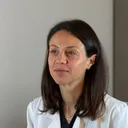
Dr. Alice Miegge
Surgeon specialised in General Surgery, with a Master's Degree in Aesthetic Medicine and Laser Therapy (University of Pavia). Fellowship at Imperial College NHS Trust, London. Author of 15+ international scientific publications.