Cryolipolysis Milan
Localised Fat Reduction with Dr. Alice Miegge
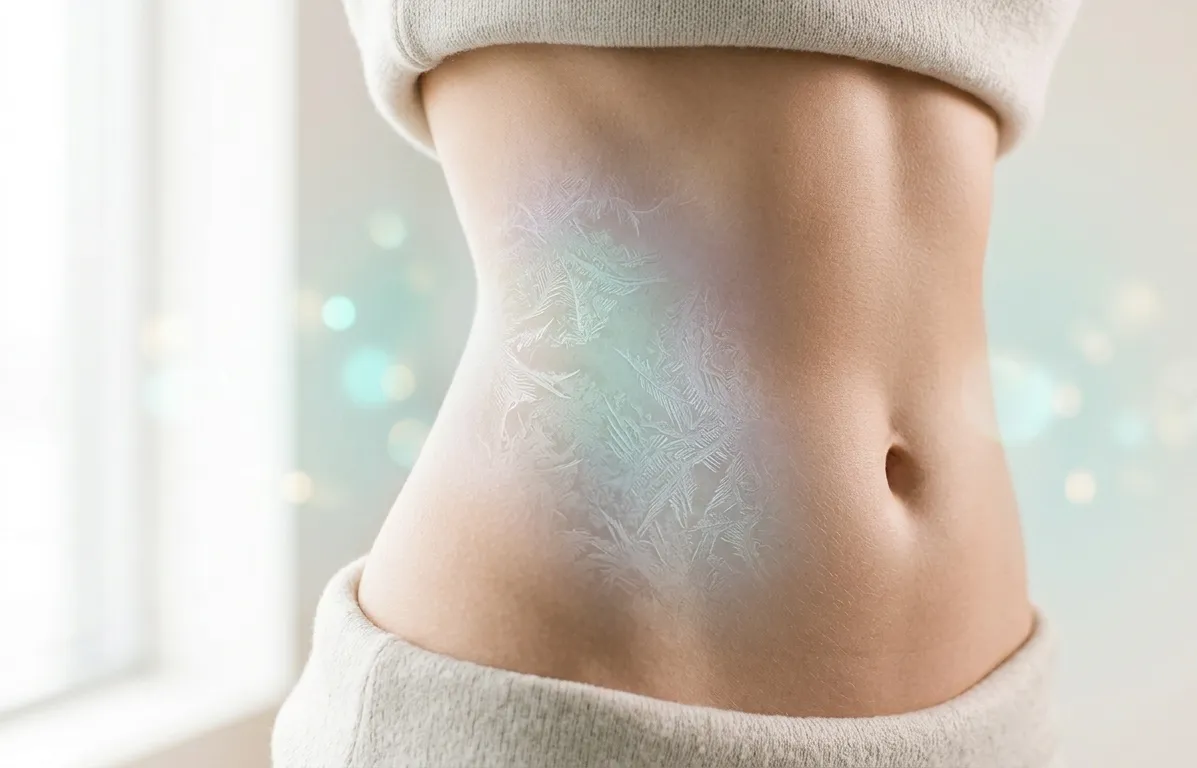
Cryolipolysis reduces localised fat by cooling adipose tissue in a controlled way to a temperature that selectively damages fat cells, without affecting skin, blood vessels or nerves. It's a non-surgical treatment with no needles and no downtime: the damaged cells are gradually eliminated by the body over the following 8–12 weeks.
What is Cryolipolysis Milan?
Cryolipolysis reduces localised fat by cooling adipose tissue in a controlled way to a temperature that selectively damages fat cells, without affecting skin, blood vessels or nerves. It's a non-surgical treatment with no needles and no downtime: the damaged cells are gradually eliminated by the body over the following 8–12 weeks.
How the treatment works
- 1
Consultation and assessment of the fat fold
Dr. Miegge assesses the amount and consistency of the fat, skin quality and body proportions. The key criterion is that the fat must be pinchable: cryolipolysis acts on subcutaneous fat, not visceral fat.
- 2
Checking for contraindications
Conditions that make the treatment unsuitable are ruled out, in particular cryoglobulinaemia, cold agglutinin disease, paroxysmal cold haemoglobinuria, hernias in the area to be treated, and pregnancy.
- 3
Defining the plan and the areas
We establish how many areas to treat, the number of applications and the sequence. Standardised photos are taken: since the result is progressive, photographic comparison over time is the only way to assess it objectively.
- 4
Positioning the applicator
A protective membrane is applied to the skin and the applicator is positioned, drawing in the tissue by suction. In the first few minutes you feel a pulling sensation and intense cold, which subsides quickly as the area becomes numb.
- 5
Controlled cooling session
The tissue is held at a controlled temperature for 35–60 minutes depending on the protocol and the area. During the session you can read or work: no sedation is required.
- 6
Post-treatment massage
At the end, the treated area is massaged for a few minutes. Studies indicate this step improves the final result, although it's momentarily uncomfortable.
- 7
Follow-up at 8–12 weeks
The result is assessed after 2–3 months through photographic comparison, because the elimination of the damaged cells is gradual. Only then do we establish whether a second session on the same area would be useful.
Who it's suitable for
Mild to moderate localised fat, resistant to diet and exercise
Love handles and flanks
Lower abdomen with a pinchable fold
Inner and outer thighs
Submental fat (double chin)
Arms and underarm area
Those who don't want, or can't have, a surgical procedure
Those close to their target weight looking to refine their contour
Expected results
- ✓ Reduced thickness of the fat fold in the treated area
- ✓ Progressive result, visible from 4–6 weeks and final at 3 months
- ✓ Average expected reduction of 20–25% of the fat per single session on the area
- ✓ The eliminated fat cells don't return, provided body weight stays stable
- ✓ No interruption to daily activities: you resume straight away
- ✓ An effect on shape and proportions, not on body weight
Clinical data
The Specialist
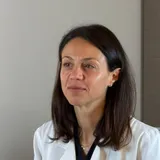
Dr. Alice Miegge
Surgeon specialised in General Surgery, with a Master's Degree in Aesthetic Medicine and Laser Therapy (University of Pavia). Fellowship at Imperial College NHS Trust, London. Author of 15+ international scientific publications.
Learn More
Want to know more?
Read the complete guide to explore every aspect of the treatment.
Read the full guideFrequently Asked Questions
No, and this is the most important premise. Cryolipolysis isn't a weight-loss treatment: it works on a limited area, reducing the thickness of subcutaneous fat, but it doesn't significantly change body weight. The ideal candidate isn't someone who needs to lose weight, but someone close to their target weight with localised fat that doesn't respond to diet and exercise.
Studies indicate an average reduction of 20–25% of the fat thickness in the treated area per session. It's an honest figure to keep in mind: it means an improvement in contour, not the disappearance of the fat. For some areas a second session may be indicated, but only assessed after the 8–12 week follow-up.
Not immediately: this is what distinguishes cryolipolysis from surgery. Fat cells damaged by the cold are gradually eliminated by the body, so the first changes are visible after 4–6 weeks and the final result at around 3 months. Anyone looking for an immediate result won't find it in this treatment.
It doesn't require anaesthesia. In the first few minutes you feel strong suction and intense cold, which subsides quickly as the area becomes numb. The most uncomfortable moment is the massage immediately after the applicator is removed, which lasts a few minutes. In the following days, temporary numbness, redness and occasionally mild swelling are common.
The treatment isn't indicated in the presence of cryoglobulinaemia, cold agglutinin disease or paroxysmal cold haemoglobinuria — conditions in which cold can provoke serious reactions. It should also be avoided during pregnancy and where there are hernias in the area to be treated, and assessed carefully in cases of altered skin sensitivity. There is also a rare but documented adverse effect, paradoxical adipose hyperplasia, in which the treated area increases rather than decreases in volume: it's uncommon, but worth knowing about before proceeding.
They answer different needs and aren't in competition. Cryolipolysis suits mild to moderate fat deposits in those who don't want or can't have surgery, with the advantage of requiring no recovery; the reduction achievable is, however, partial and progressive. Regenerative liposuction acts far more decisively in a single session, allows extensive areas to be treated and the fat to be reused where volume is needed, but it is surgery with its own recovery time. In a consultation we assess together which of the two is realistic for your goal.
Contact Dr. Miegge
Dr. Alice Miegge practises at Image Regenerative Clinic in Milan (San Babila area) and YouMedical in Seregno. A consultation is the first step towards a personalised treatment plan.