Vitamin Drips Milan
IV Therapy with Dr. Alice Miegge
Infusion therapy delivers vitamins, minerals or other nutrients intravenously when the oral route isn't sufficient or effective. It isn't a standardised treatment: the protocol is defined only after a clinical assessment and blood tests, which establish whether there's a genuine deficiency to correct — and which one.

What is Vitamin Drips Milan?
Infusion therapy delivers vitamins, minerals or other nutrients intravenously when the oral route isn't sufficient or effective. It isn't a standardised treatment: the protocol is defined only after a clinical assessment and blood tests, which establish whether there's a genuine deficiency to correct — and which one.
How the treatment works
- 1
Medical consultation and history
Dr. Miegge takes your clinical history, current medications, dietary habits and reported symptoms. This is where it's established whether there's a clinical suspicion that justifies further investigation.
- 2
Targeted blood tests
The necessary tests are prescribed: full blood count, ferritin and serum iron, vitamin D (25-OH), vitamin B12 and folate, kidney and liver function, electrolytes. If high-dose vitamin C is being considered, G6PD testing is added.
- 3
Defining the indication (or ruling it out)
In light of the results, it's established whether there's a genuine deficiency to correct, which route is most appropriate, and whether an infusion is actually indicated. When test results are normal, the correct answer is not to proceed: that's part of the method.
- 4
Preparation and venous access
The infusion is carried out in a medical setting. Peripheral venous access is placed using sterile technique and the solution is prepared according to the protocol defined for the individual patient.
- 5
Monitored infusion
Duration is generally between 30 and 60 minutes depending on the preparation. The infusion rate is calibrated: administering too quickly is one of the most common causes of unwanted effects. The patient is monitored throughout the session.
- 6
Post-infusion observation
At the end, venous access is removed and the patient is observed for a short period before leaving. Instructions are provided for the hours that follow, along with the signs that warrant contacting the clinic.
- 7
Follow-up testing
Effectiveness is verified through follow-up blood tests, not through an immediate subjective sensation. It's the follow-up that establishes whether the deficiency has been corrected and whether treatment should continue.
Who it's suitable for
Iron deficiency documented by blood tests
Vitamin B12 or folate deficiency confirmed by blood levels
Documented vitamin D deficiency
Intestinal malabsorption (coeliac disease, IBD, after bariatric surgery)
Intolerance or ineffectiveness of oral supplementation
Prolonged restrictive diets with structural deficiencies
Periods of significant weight loss with reduced nutritional intake
Systemic support within a regenerative journey, when test results justify it
Expected results
- ✓ Documented correction of the deficiency, verifiable through follow-up tests
- ✓ Improvement in symptoms directly linked to the corrected deficiency
- ✓ Restoration of levels when the oral route isn't tolerated or isn't effective
- ✓ Targeted nutritional support during periods of documented increased requirement
- ✓ No benefit expected without a genuine deficiency: excess water-soluble vitamins are eliminated in the urine
Clinical data
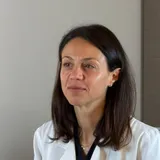
The Specialist
Dr. Alice Miegge
Surgeon specialised in General Surgery, with a Master's Degree in Aesthetic Medicine and Laser Therapy (University of Pavia). Fellowship at Imperial College NHS Trust, London. Author of 15+ international scientific publications.
Learn More
Want to know more?
Read the complete guide to explore every aspect of the treatment.
Read the full guideFrequently Asked Questions
When there's a deficiency documented by blood tests, correcting it intravenously is effective and is sometimes the only viable route. In people without deficiencies who follow a balanced diet, however, the scientific evidence supporting benefits such as energy, detox or immune boosting is limited. This is why the protocol is always defined from test results rather than from a pre-packaged scheme.
Generally a full blood count, ferritin and serum iron, vitamin D (25-OH), vitamin B12 and folate, kidney and liver function, and electrolytes. If high-dose vitamin C is being considered, G6PD deficiency must also be checked. These are simple tests, but they're what distinguishes a targeted therapy from a generic treatment.
The infusion generally lasts between 30 and 60 minutes depending on the preparation, plus a short observation period. No anaesthesia is required and there's no recovery time: you can resume normal daily activities straight away.
There are local risks associated with venous access (haematoma, phlebitis, thrombophlebitis and, rarely, infection) and systemic risks to be assessed case by case: fluid overload in the presence of heart or kidney failure, electrolyte imbalances, allergic reactions and interactions with ongoing therapies. High-dose vitamin C is contraindicated in G6PD deficiency and requires caution in cases of oxalate kidney stones. The preliminary assessment determines whether the treatment is suitable.
No, they work on a different axis. Treatments such as biorevitalisation, biostimulators or fillers work locally on the skin; a drip works on the body as a whole and doesn't restore volume or improve the texture of a specific area. In well-built treatment plans the two levels complement each other, but they aren't interchangeable.
No. Detoxification is carried out by the liver and kidneys, which work extremely efficiently in a healthy person. The concept of a detox drip is a commercial simplification and doesn't correspond to a physiological mechanism. What an infusion can do, in selected cases, is correct a documented deficiency or support an increased requirement.
Contact Dr. Miegge
Dr. Alice Miegge practises at Image Regenerative Clinic in Milan (San Babila area) and YouMedical in Seregno. A consultation is the first step towards a personalised treatment plan.