Regenerative Blepharoplasty Milan
Eyelid Surgery with Dr. Alice Miegge
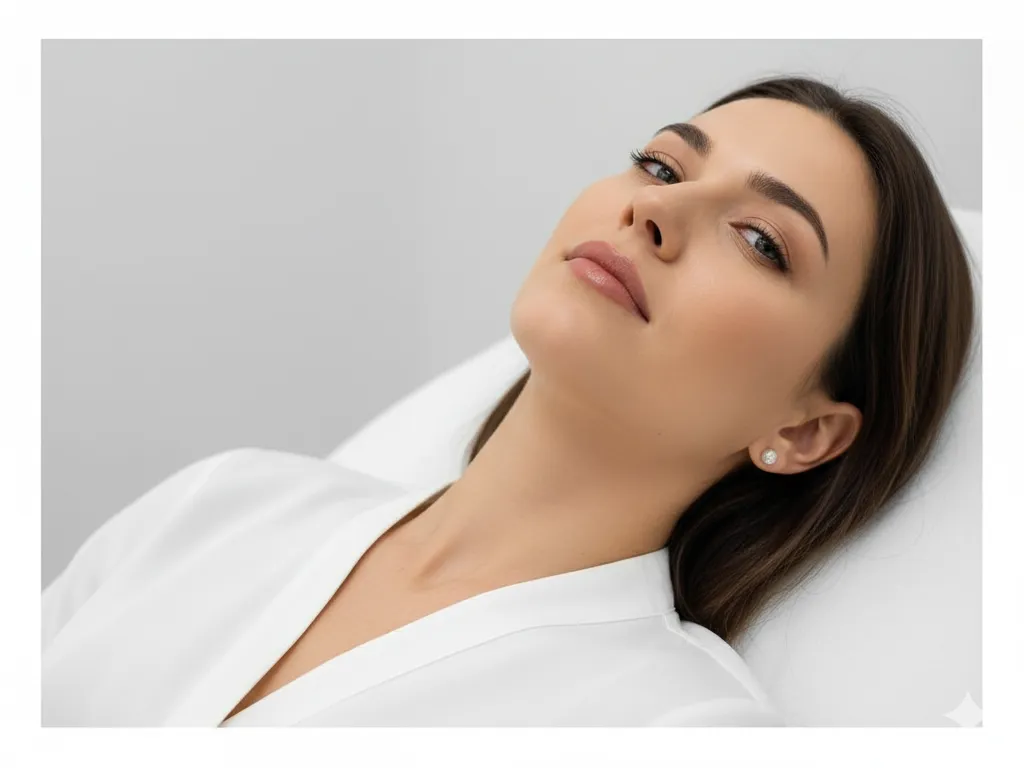
Regenerative blepharoplasty is a conservative surgical procedure that removes excess skin and herniated fat from the upper and lower eyelids, adding autologous nanofat to restore lost volume and improve periocular skin quality. Results last 10–15 years, with a natural, rested appearance.
What is Regenerative Blepharoplasty Milan?
Regenerative blepharoplasty is a conservative surgical procedure that removes excess skin and herniated fat from the upper and lower eyelids, adding autologous nanofat to restore lost volume and improve periocular skin quality. Results last 10–15 years, with a natural, rested appearance.
How the treatment works
- 1
Surgical consultation and planning
Dr. Miegge assesses eyelid morphology, the amount of excess skin, the presence and distribution of periocular fat, and the patient's expectations. Standardised photos are taken and the procedure is planned in detail.
- 2
Pre-operative tests
Standard pre-operative blood tests are prescribed, along with an ophthalmological check-up to rule out eye-related contraindications. Any anticoagulant medication is stopped in the days before surgery.
- 3
Marking the incisions
Before surgery, Dr. Miegge marks the incision lines with the patient sitting up, to account for tissue positioning in a natural posture. For the upper eyelids the incision follows the natural eyelid crease; for the lower eyelids it's placed just below the lash line.
- 4
Procedure under local anaesthesia with sedation
The procedure is performed under local anaesthesia with light intravenous sedation. For the upper eyelids, the strip of excess skin is removed and, if needed, herniated fat is addressed. For the lower eyelids, fat is accessed via a transcutaneous or transconjunctival incision, and repositioned or partially removed.
- 5
Autologous nanofat injection
The regenerative component of the procedure involves harvesting a small amount of autologous fat (typically from the abdomen or thigh), processing it into nanofat, and injecting it into the periocular region to restore lost volume and improve skin quality using the stem cells contained in the fat tissue.
- 6
Suturing and dressing
The incisions are closed with very fine sutures. A light dressing is applied. Sutures are removed after 5–7 days on an outpatient basis.
- 7
Recovery and follow-up
In the first 3–5 days, periocular swelling and bruising are normal. Most patients resume social activities after 10–14 days. The final result is visible after 4–6 weeks, once residual swelling has fully subsided.
Who it's suitable for
Upper eyelid ptosis affecting vision or giving a tired look
Excess skin on the upper eyelids
Pronounced under-eye bags
Deep tear troughs and marked naso-lacrimal groove
Loose lower eyelid skin
Tired, aged-looking periocular area
Insufficient results from non-surgical treatments
Expected results
- ✓ A more open, rested, youthful look
- ✓ Removal of excess skin on the upper eyelids
- ✓ Reduction or elimination of under-eye bags
- ✓ Improvement of tear troughs and naso-lacrimal groove with nanofat
- ✓ Firmer, more radiant periocular skin thanks to nanofat stem cells
- ✓ Natural results that don't alter facial expression
- ✓ Results lasting 10–15 years
Clinical data
The Specialist
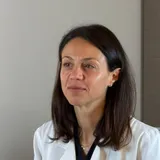
Dr. Alice Miegge
Surgeon specialised in General Surgery, with a Master's Degree in Aesthetic Medicine and Laser Therapy (University of Pavia). Fellowship at Imperial College NHS Trust, London. Author of 15+ international scientific publications.
Frequently Asked Questions
Regenerative blepharoplasty adds autologous nanofat injection in the periocular region to traditional eyelid surgery. While traditional blepharoplasty only removes excess skin and fat, the regenerative approach also restores lost volume and improves skin quality thanks to the stem cells contained in the autologous fat, achieving a more natural and complete result.
In the first 3–5 days there's periocular swelling and bruising that gradually reduces. Most patients feel comfortable in social settings after 10–14 days. Residual swelling fully resolves within 4–6 weeks, when the final result becomes visible.
Incisions are placed along the eyelids' natural folds — in the upper eyelid crease and just below the lower lash line — so scars are practically invisible once healed. Alternatively, for the lower eyelids, a transconjunctival approach can be chosen, which leaves no external scar at all.
There's no ideal age — the decision is based on the presence and extent of the signs to be corrected. It's typically requested between the ages of 40 and 60, when the changes are noticeable enough to justify surgery but the tissue quality is still good. In selected cases of significant ptosis or very early bags, it may be indicated earlier.
Yes. Regenerative blepharoplasty is frequently combined with other treatments for a more complete overall result: periocular fillers for areas not corrected surgically, fractional CO2 laser to improve eyelid skin quality in the following weeks, or botulinum toxin for crow's feet. Dr. Miegge plans the full journey during the consultation.
Like any surgical procedure, blepharoplasty carries risks that are discussed in detail during the pre-operative consultation. The most common complications are temporary: prolonged bruising, transient dry eye, mild asymmetry. Serious complications are rare when the procedure is performed by a surgeon specialised in a suitable setting. The pre-operative eye check-up helps identify and reduce ophthalmological risks.
Contact Dr. Miegge
Dr. Alice Miegge practises at Image Regenerative Clinic in Milan (San Babila area) and YouMedical in Seregno. A consultation is the first step towards a personalised treatment plan.